Is Your LA Home Feeling a Little... Concrete?
You know that feeling. You step out of your car after battling the 405 at rush hour, into your house, and it just feels… closed off. A bit sterile, maybe? Like it’s missing something vital. In a city like Los Angeles, where we're surrounded by stunning natural beauty – the ocean, the mountains, the endless sunshine – it’s easy for our homes to feel disconnected from it all. We spend so much time indoors, staring at four walls. But what if I told you there’s a way to bring that vibrant, calming essence of nature right into your living space, and it starts with something as fundamental as the paint on your walls? I’m Dmitrii, owner and contractor here at SkillSee, and trust me, this isn’t just about picking pretty colors. It’s about well-being, sustainability, and actually making your home feel more like *home*.
We’re seeing a massive shift, not just in LA but across Orange County too, towards healthier, more sustainable living. People are tired of toxic off-gassing from cheap paint and want spaces that actively promote peace and productivity. This is where biophilic design comes in, and how strategic painting is your secret weapon.
What Exactly IS Biophilic Design? Let's Break it Down.
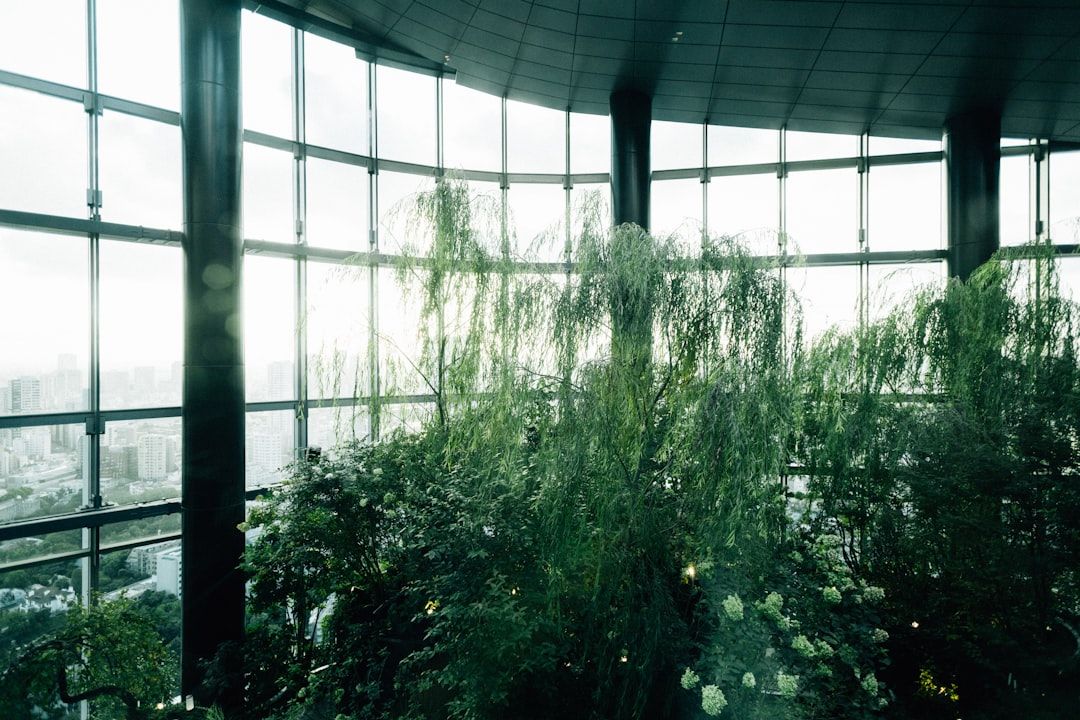
Biophilic design is essentially the concept of connecting humans with nature within the built environment. It's about recognizing that we are wired to seek out nature and that incorporating natural elements into our spaces can have profound positive effects on our physical and mental health. Think reduced stress, improved mood, enhanced creativity, and even faster healing. Sounds pretty good, right?
For us contractors, and especially for homeowners like you, biophilic design is becoming less of a trend and more of a necessity. Especially with the rising costs of just about everything, homeowners are looking for ways to enhance their living spaces that offer real, tangible benefits. And the beauty of biophilic design is that it's incredibly versatile. You can achieve it through living walls, natural materials, water features, and yes, even through the thoughtful application of paint.
When we talk about painting through a biophilic lens, we're not just talking about slapping on a coat of blue to mimic the sky. It's deeper than that. It involves understanding how colors, textures, and finishes can evoke natural landscapes and elements, creating a sense of calm, grounding, or even energizing your space, depending on your goals.
Painting Your Way to a Healthier LA Lifestyle
So, how does this translate to your actual home, here in sunny Southern California? It’s all about mindful choices.
1. Color Palette: Tapping into Earth Tones and Natural Hues
This is the most obvious, but also the most powerful, aspect. Instead of stark whites or jarring neons, we look to nature's own palette. Think earthy browns, sandy beiges, mossy greens, deep ocean blues, muted terracotta, and soft, warm grays reminiscent of coastal fog.
For a living room, imagine walls painted in a soft, muted sage green. It instantly brings the feeling of a peaceful forest glade into your space, even if your view is just a palm tree and a neighbor’s fence. Or perhaps a bedroom in a calming, deep ocean blue, evoking the vastness and tranquility of the Pacific just a few miles away. Even a kitchen can benefit – imagine warm, terracotta-inspired hues on an accent wall, bringing the grounded feel of earth right into where you prepare your meals.
Consider the way light plays in LA. Our intense sunlight can make colors appear brighter. So, we often lean towards more desaturated, earthy tones that absorb light beautifully and create a more serene atmosphere. Avoid overly bright, synthetic-feeling colors. You want colors that feel *grown*, not manufactured.
2. Finishes and Textures: Mimicking Natural Surfaces
Biophilic design isn't just about color; it's about texture and finish too. While paint itself is a finish, the *type* of paint and how it's applied can mimic natural textures.
Matte or low-sheen finishes tend to absorb light and feel more natural and less reflective, like a natural stone or a soft earth surface. Think about the difference between a glossy plastic fruit and a real, slightly imperfect apple – the matte finish feels more authentic. For spaces where you want a bit more depth, consider limewash or mineral paints. These finishes have a natural, slightly variegated texture that looks and feels like aged plaster or natural rock. They add a subtle organic quality that glossy paints just can't replicate.
We've also seen a rise in paints with very subtle, natural-looking textures. These aren't wall-covering textures, but rather in the paint itself, creating a soft, tactile feel that draws you in. It’s about creating visual and tactile depth that connects us to the organic world.
3. Sustainable and Eco-Friendly Choices: Good for You, Good for the Planet
This is non-negotiable for truly biophilic design. Using paints with low or zero VOCs (Volatile Organic Compounds) is crucial. VOCs are chemicals released into the air that can cause health problems, from headaches and respiratory issues to more serious long-term effects. In a city like LA, where air quality can be a concern, choosing healthy paints is paramount. This is where our eco-friendly painting services really shine. We prioritize paints that are not only beautiful but also contribute to healthier indoor air quality.
Beyond VOCs, consider the lifecycle of the paint. Are the pigments natural? Is the manufacturing process sustainable? Many brands now offer lines specifically designed with environmental impact in mind. This aligns perfectly with the core principles of biophilic design – respecting and integrating with natural systems.
4. Bringing the Outdoors In: Seamless Transitions
Biophilic design also encourages blurring the lines between indoor and outdoor spaces. This is where your patio or outdoor living areas come into play. When painting the exterior of your home, consider colors that harmonize with the surrounding landscape. Think soft, earthy tones that blend into hillsides or muted blues and greens that complement the sky and vegetation. For your interior, using paint colors that echo your exterior views or connect to your garden can create a beautiful, cohesive flow.
Imagine painting your sliding glass door frames a deep, forest green, and when you open them, that green visually extends into your actual garden. Or using a warm, sandy beige indoors that perfectly matches the color of the sand on your favorite beach, visible from your window. It’s about creating a visual dialogue between inside and out.
Biophilic Painting in Action: Real-World Costs for LA/OC
Now, let's talk brass tacks. You're probably wondering, what's the investment for this nature-infused makeover? The cost for biophilic painting is largely the same as standard high-quality painting, but the *value* is significantly higher. The real differentiator is the quality of the materials and the meticulous application needed to achieve these natural aesthetics. We're talking about using premium, low-VOC or zero-VOC paints, potentially some specialty finishes like limewash, and ensuring flawless execution.
Here’s a realistic breakdown for a typical 2,000 sq ft home in the LA/OC area in 2026. These are estimates, of course, and can vary based on the complexity of the job, the specific products chosen, and the current market conditions.
| Item | Est. Cost (2026 LA/OC) |
|---|---|
| Premium Low/Zero-VOC Interior Paint (Standard Colors) | $8,000 - $15,000 |
| Specialty Finishes (e.g., Limewash, Textured Paints) - per room/wall | $300 - $800 |
| Exterior Premium Low/Zero-VOC Paint | $7,000 - $18,000 |
| Prep Work (cleaning, minor repairs, priming) | Included in above, or $1,500 - $4,000 if extensive |
| Labor for Detailed Application & Finishing | Included in above, but higher-end finishes may require more time |
Keep in mind, these costs reflect high-quality materials and professional labor. If you’re also considering a kitchen remodel or a bathroom remodel, integrating these biophilic painting principles during those renovations can be incredibly cost-effective. You're already investing in your home; why not make it healthier and more beautiful?
Contractor's Insider Tip: The Power of the 'Veil'
Here’s something you won’t find on most design blogs: the concept of the 'veil' in paint finishes. When you use a matte or low-sheen finish, especially with lighter, natural tones, it creates a subtle 'veil' over the wall. This veil softens harsh lines, diffuses light gently, and gives the impression of natural, aged materials. It’s why old plaster walls in historic homes feel so comforting – they have this natural veil effect. When choosing your paint, ask your contractor (or us!) about finishes that create this soft, atmospheric quality. It’s a subtle detail that makes a massive difference in how a room *feels* – much more grounded and serene, like you're surrounded by natural elements rather than just painted surfaces.
Frequently Asked Questions from LA Homeowners
Q: How can I incorporate biophilic design if I have a small apartment or limited budget?
A: You absolutely can! Focus on one or two rooms. Choose an accent wall in a calming green or a grounding earth tone. Use a low-VOC, matte finish. Even adding natural-looking elements like a few well-chosen plants, natural wood accents, and good lighting can make a huge difference. If painting your entire place is too much, consider refreshing your interior painting with a couple of carefully selected biophilic colors. It’s about intentionality, not necessarily a massive overhaul.
Q: Will these natural paint colors make my home feel dark?
A: Not necessarily, especially with proper planning! While deep blues and greens can be rich, they can also be very calming. The key is understanding your natural light. We often recommend using lighter, desaturated versions of these colors, or using them strategically on accent walls. Matte finishes also help diffuse light rather than reflecting it harshly, which can prevent a room from feeling overly bright or sterile. We can help you select colors that work with your home's unique light conditions.
Q: Is biophilic painting really worth the extra cost compared to standard paint?
A: From my perspective as a contractor who sees the long-term impact of these choices, absolutely. The initial cost might be slightly higher for premium, eco-friendly paints and meticulous application, but the benefits are immense. You're investing in a healthier indoor environment, a more calming and restorative living space, and often, an increase in your home's appeal and value. It's not just paint; it's an investment in your well-being and your property. Plus, with our CSLB #1110475 license, you know you're getting professional, reliable service.
Bringing nature indoors through biophilic design and sustainable painting is more than just an aesthetic choice; it's a lifestyle upgrade, especially here in bustling Los Angeles. It’s about creating spaces that nourish your soul, reduce stress, and connect you back to the natural world, even amidst the urban hustle. Ready to transform your home into a sanctuary? Let's chat. You can reach us at (626) 600-3505 or get a free estimate to discuss how we can bring the calming, restorative power of nature into your home with SkillSee.