Understanding ADU Electrical Requirements in Los Angeles: Service, Subpanel & Meter Decisions
Adding an Accessory Dwelling Unit (ADU) to your Los Angeles property involves significant electrical considerations. Understanding the core adu electrical requirements Los Angeles are crucial for a smooth design and permitting process. This guide, from Dmitrii, a licensed general contractor (CSLB Lic #1110475) with extensive experience in LA and Orange County, breaks down the essential aspects of your ADU's electrical service, subpanel, and metering options. We’ll cover the critical decisions you need to make regarding power supply, load calculations, and integration with your existing home's electrical system to ensure compliance and functionality.
Determining Your ADU Electrical Service Size
The first major decision for your ADU's electrical system is its service size. This isn't a one-size-fits-all answer and depends heavily on the intended use and size of your ADU. A smaller studio unit will have different needs than a multi-bedroom ADU with high-demand appliances like electric ranges, dryers, or dedicated HVAC systems. A proper adu load calculation is mandatory to determine the correct amperage required. This calculation considers all the proposed electrical loads within the ADU, including lighting, outlets, appliances, and any future potential loads, such as EV charging stations.
In Los Angeles, the Department of Building and Safety (LADBS) and the utility providers (like LADWP or SCE) have specific guidelines. Generally, a typical ADU might require a 100-amp service, but larger or more appliance-heavy units could necessitate a 125-amp or even 150-amp service. It's essential to consult with your electrical designer or contractor to perform an accurate load calculation, as underestimating can lead to an undersized system that trips breakers frequently, while oversizing can be an unnecessary expense. This calculation forms the basis for your electrical permit application.
The Role of the ADU Subpanel
Regardless of how the ADU receives its power, it will almost certainly require its own adu subpanel. This subpanel acts as a distribution point for the electricity within the ADU itself. Think of it as a smaller breaker box housed within the ADU structure. It receives the main power feed and then branches out to all the circuits serving lights, outlets, appliances, and any dedicated systems within the unit.
The size and configuration of the adu subpanel depend on the number of circuits needed. A small ADU might only need a 12-space or 20-space subpanel, while a larger one could require a 30-space or even 40-space panel to accommodate all the necessary circuits. Proper labeling of the subpanel breakers is critical for safety and future maintenance. This ensures that if a circuit breaker trips, it's easy to identify which part of the ADU the issue affects. Installing a dedicated subpanel is a standard practice that enhances safety and makes troubleshooting much simpler than trying to run everything off the main house panel.
Separate Meter vs. Feed from Main Panel
One of the most significant decisions for your ADU project is whether to install an adu separate meter or to have the ADU electrically fed from the main house panel. Each option has implications for cost, utility billing, and future management.
Option 1: ADU Separate Meter
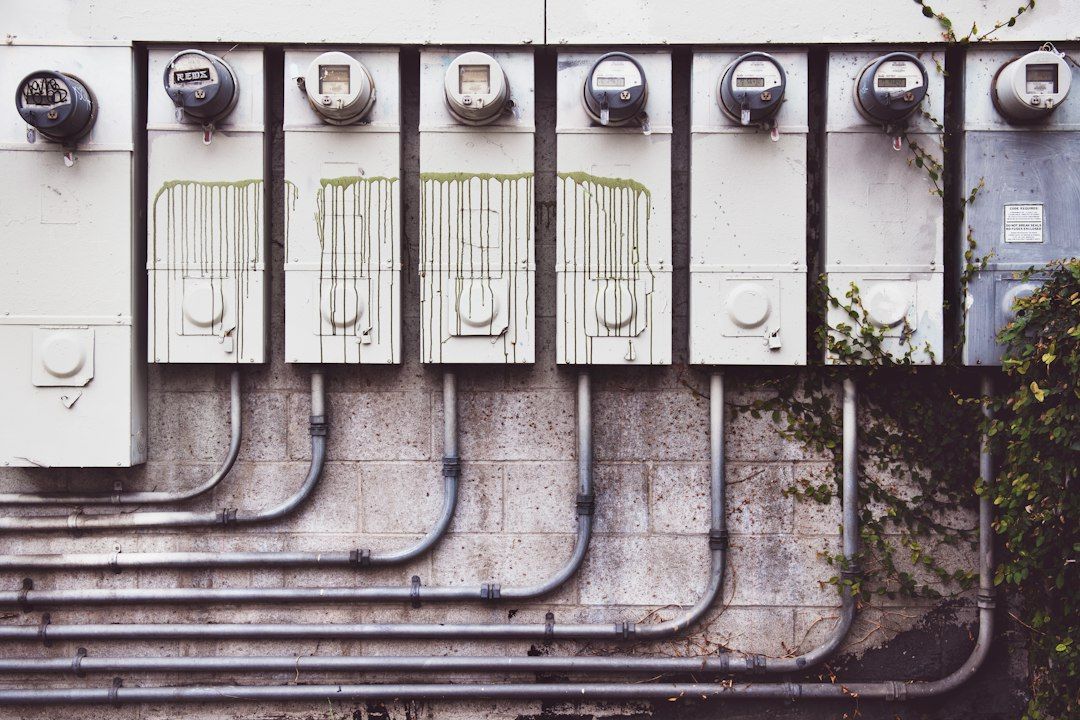
Installing an adu separate meter means the ADU has its own dedicated electrical meter, just like a primary residence. This is often preferred for rental ADUs because it allows the utility bills to be directly assigned to the tenant. The tenant pays for their own electricity usage, simplifying financial management for the homeowner. This typically involves a new service drop from the utility pole or overhead/underground service connection directly to the ADU's meter base and then to the ADU's subpanel.
While offering billing clarity, an adu separate meter installation usually incurs higher upfront costs. This is due to the additional requirements from the utility company, including potential upgrades to their infrastructure, new meter installation fees, and potentially a new service panel and underground trenching or conduit work. Utility providers like LADWP or SCE have specific requirements for new service installations, which must be followed precisely. This is a key consideration when budgeting for your project.
Option 2: Feed from Main Panel
In this scenario, the ADU is powered by a dedicated circuit or circuits that run from the main electrical panel of the existing house to the ADU's subpanel. This is often a more cost-effective solution initially, as it avoids the expense of a new meter and the associated utility service fees. The electricity consumed by the ADU is measured by the main house meter, meaning the homeowner is responsible for that usage.
If you choose to feed from the main panel, a thorough adu load calculation is even more critical. You must ensure that the existing main electrical service has sufficient capacity to handle the additional load of the ADU. If the existing service is already near its limit, an upgrade to the main panel might be necessary, which can offset the initial savings of not installing a separate meter. This is a common point of confusion, and a qualified electrician must assess your existing panel's capacity. You can learn more about panel upgrades for ADUs in our related article on Electrical Panel Upgrades for ADUs in LA.
EV Charging Readiness
California, and Los Angeles specifically, is pushing for increased electric vehicle adoption. Many ADU projects now include provisions for EV charger installations. Even if you don't plan to install an EV charger immediately, it's highly recommended to size your adu electrical service and subpanel to accommodate future EV charging. This typically involves running a dedicated conduit from the panel to the anticipated charger location and potentially upsizing the service or reserving space in the subpanel.
Planning for EV charging now can save significant costs later. Retrofitting a dedicated circuit and conduit for an EV charger after the ADU is built can be disruptive and expensive. Discussing EV readiness with your contractor and designer is a wise step for future-proofing your ADU.
Key Decision Points & Utility Coordination
When planning your ADU electrical system, consider these key decision points:
| Factor | ADU Separate Meter | Feed from Main Panel |
|---|---|---|
| Upfront Cost | Higher (new service, meter fees) | Lower (avoids new meter, but may require main panel upgrade) |
| Ongoing Billing | Tenant pays own utility bill | Homeowner pays for ADU usage (can be recouped via rent agreement) |
| Existing Service Capacity | Less critical for ADU, but existing must support new service connection | Crucial: Existing service must have sufficient spare capacity or be upgraded |
| Complexity | Higher utility coordination required | Requires detailed load calculation for main panel |
| Future EV Charging | Easier to add dedicated circuit from ADU subpanel | Requires careful load management if main panel is near capacity |
Coordination with your utility provider (LADWP or SCE) is paramount. They have specific requirements for new service installations, meter placements, and load calculations. Early communication can prevent delays and costly revisions. You can find information on electrical services and upgrades on the Southern California Edison (SCE) or Los Angeles Department of Water and Power (LADWP) websites.
Working with SkillSee for Your ADU Electrical Needs
Navigating the adu electrical requirements Los Angeles involves understanding complex regulations, performing accurate load calculations, and coordinating with utility companies. As a licensed general contractor with CSLB Lic #1110475, SkillSee is equipped to handle these challenges. We ensure your ADU's electrical system is safe, compliant with California codes, and designed for your specific needs. Whether you're considering a new electrical service or integrating it into your existing home, our team provides practical, expert solutions.
Remember, proper electrical design and installation are not just about code compliance; they are about the safety and long-term functionality of your investment. For more insights into ADU projects, visit our dedicated ADU page. You can also compare the electrical hookup costs versus Title 24 requirements in our article LA ADU Title 24 vs. Electrical Hookup Costs.
Q: What is the typical ADU electrical service size in Los Angeles?
A: The typical adu electrical service size in Los Angeles varies. Smaller ADUs might use 100 amps, but larger units with multiple appliances or higher energy demands could require 125 or 150 amps. An accurate adu load calculation performed by a qualified electrician is mandatory to determine the precise requirement based on the ADU's intended use and installed appliances.
Q: Do I need a separate meter for my ADU in Los Angeles?
A: An adu separate meter is not always required but is often recommended for rental ADUs to allow tenants to pay their own electricity bills. Alternatively, the ADU can be powered from the main house panel, but this requires ensuring the existing service has adequate capacity. Consult your utility provider and contractor for specific guidance.
Q: What are the main considerations for an ADU subpanel?
A: The primary considerations for an adu subpanel include its size (number of circuits), proper installation within the ADU structure, and clear labeling of all breakers. It distributes power to various circuits within the ADU. Ensuring it’s sized appropriately for current and future needs, like EV charging, is also important.
Permit rules, fees, codes and utility requirements vary by city and change over time. Please confirm the details with your local building department or the official sources of your city and utility before starting work.